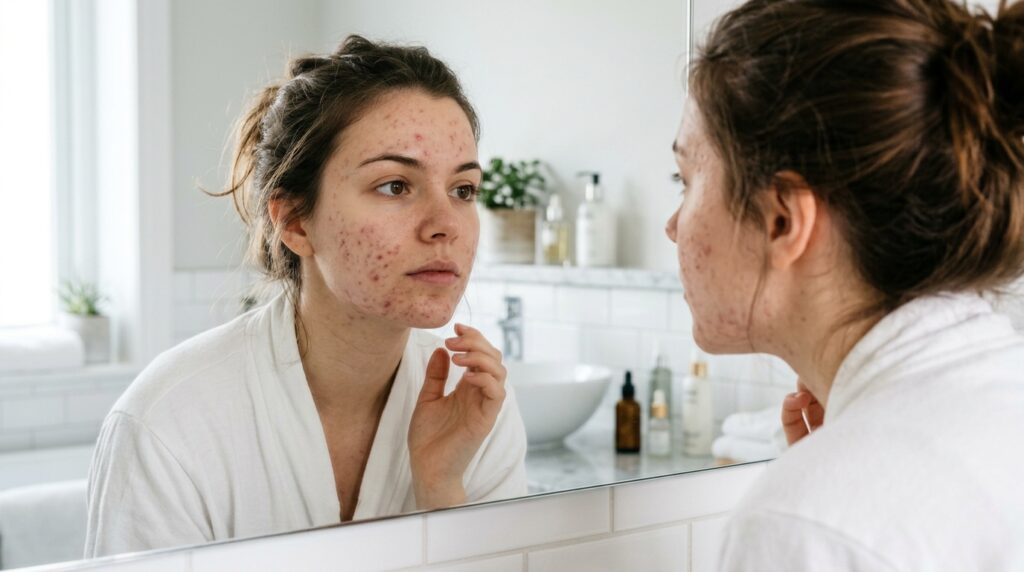
Acne is one of the most common skin conditions that affects millions of people worldwide. Whether you are a teenager experiencing hormonal changes or an adult dealing with occasional breakouts, acne can impact your confidence and overall appearance. While many commercial products promise quick results, natural remedies and healthy lifestyle habits can also play a significant role in achieving clearer skin. Natural acne treatments are often gentler on the skin and may help reduce irritation while promoting long-term skin health.
Understanding the Causes of Acne
Before treating acne, it is important to understand what causes it. Acne develops when hair follicles become clogged with oil, dead skin cells, and bacteria. Several factors can contribute to this condition, including hormonal changes, excessive oil production, poor skincare habits, stress, and an unhealthy diet. Hormonal fluctuations during puberty, pregnancy, or menstrual cycles can increase oil production, making breakouts more likely. In addition, touching your face frequently, using dirty makeup brushes, or sleeping on unclean pillowcases can introduce bacteria to the skin and worsen acne.
Environmental factors may also play a role. Pollution, humidity, and exposure to harsh chemicals can irritate the skin and clog pores. Understanding the root causes of your acne can help you make better decisions about skincare and lifestyle changes that support healthy skin.
Natural Remedies That Can Help Reduce Acne
Many natural ingredients have properties that may help fight acne and soothe inflamed skin. Aloe vera is one of the most popular natural remedies because of its antibacterial and anti-inflammatory effects. Applying pure aloe vera gel to the skin can help reduce redness and promote healing. Raw honey is another excellent option due to its natural antibacterial properties. A thin layer of honey applied as a face mask may help calm irritated skin and reduce acne-causing bacteria.
Tea tree oil is also widely used as a natural acne treatment. It contains compounds that may help kill bacteria and reduce inflammation. However, it should always be diluted before applying it to the skin. Green tea can be beneficial as well, thanks to its antioxidants, which may help decrease oil production and inflammation. Additionally, oatmeal masks can soothe irritated skin and absorb excess oil, making them a gentle option for people with sensitive skin.
While natural remedies can be effective, consistency is essential. Results may take several weeks to become noticeable, so patience is important when following a natural skincare routine.

The Importance of Diet and Hydration for Clear Skin
What you eat can have a significant impact on your skin’s appearance. A diet high in processed foods, sugary snacks, and sugary drinks may contribute to inflammation and increase the likelihood of acne breakouts. Instead, focus on consuming nutrient-rich foods such as fruits, vegetables, whole grains, and lean proteins. Foods rich in vitamins A, C, and E can support skin repair and overall health.

Omega-3 fatty acids found in fish, walnuts, and flaxseeds may help reduce inflammation in the body, potentially improving acne symptoms. Drinking enough water throughout the day is equally important. Proper hydration helps maintain skin elasticity, supports detoxification processes, and promotes a healthy complexion.
Reducing dairy intake may also help some individuals, as certain dairy products have been linked to increased acne in some studies. Keeping a food diary can help identify any foods that may trigger breakouts and allow you to make informed dietary adjustments.
Healthy Lifestyle Habits for Long-Term Acne Prevention
Achieving clear skin naturally requires more than just topical treatments. Healthy lifestyle habits are crucial for preventing future breakouts and maintaining overall skin health. One of the most important habits is establishing a consistent skincare routine. Cleanse your face twice daily with a gentle cleanser, moisturize regularly, and avoid harsh scrubbing that can irritate the skin.

Getting enough sleep is also essential. During sleep, the body repairs and regenerates skin cells. Aim for seven to nine hours of quality sleep each night. Stress management is another key factor, as stress can trigger hormonal changes that contribute to acne. Activities such as exercise, meditation, yoga, and deep breathing can help reduce stress levels.
Avoid touching or picking at pimples, as this can spread bacteria and increase the risk of scarring. Regularly washing pillowcases, towels, and makeup brushes can also help prevent bacterial buildup. Finally, protecting your skin from excessive sun exposure by using a suitable sunscreen can reduce irritation and support overall skin health.
Conclusion
Getting rid of acne naturally requires patience, consistency, and a combination of healthy habits. By understanding the causes of acne, using natural remedies, maintaining a balanced diet, staying hydrated, and following a proper skincare routine, you can significantly improve your skin’s appearance over time. While natural methods may not provide overnight results, they can support healthier, clearer skin without relying heavily on harsh chemicals. With dedication and the right approach, achieving a radiant complexion is possible for anyone.