
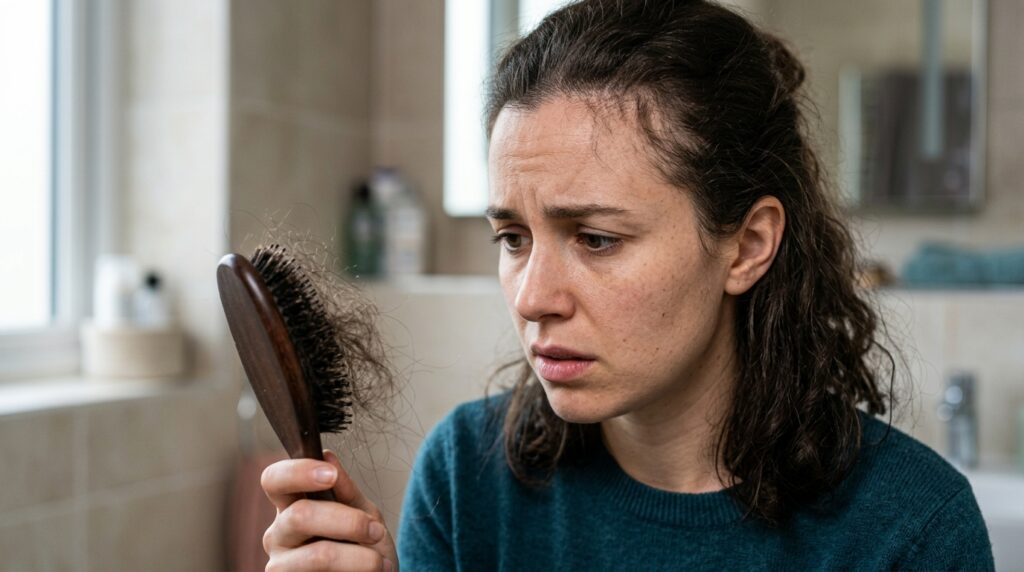
Hair loss is a common concern that affects millions of people worldwide. Finding extra hair on your pillow, in the shower drain, or on your hairbrush can be worrying. While losing some hair every day is completely normal, excessive hair shedding may indicate an underlying issue that needs attention. Understanding the causes of hair loss and learning how to address them can help you maintain healthy, strong hair and restore your confidence.
Common Causes of Hair Loss
Hair loss can occur for many reasons, ranging from genetics to lifestyle factors. One of the most common causes is hereditary hair loss, often known as male-pattern or female-pattern baldness. This condition tends to develop gradually with age and can lead to thinning hair or bald spots.
Hormonal changes are another major cause of hair loss. Pregnancy, childbirth, menopause, and thyroid disorders can all affect hair growth cycles. Stress can also play a significant role. Physical or emotional stress may push hair follicles into a resting phase, causing noticeable shedding several months later.

Nutritional deficiencies can contribute to hair loss as well. A lack of essential nutrients such as iron, protein, vitamin D, zinc, and biotin may weaken hair follicles and slow hair growth. Certain medications, medical treatments, and scalp infections can also lead to temporary or permanent hair loss if left untreated.
Signs That Your Hair Loss May Need Attention
It is normal to lose between 50 and 100 hairs per day. However, excessive shedding, thinning hair, widening part lines, or bald patches may indicate a more serious issue. Some people notice increased hair on their pillow or clothing, while others see visible changes in hair density.
Changes in the scalp should also be monitored. Redness, itching, flaking, or pain may signal an underlying scalp condition that affects hair growth. If hair loss occurs suddenly or is accompanied by other symptoms such as fatigue, weight changes, or hormonal imbalances, it may be helpful to seek medical advice to identify the root cause.

Early intervention is important because some forms of hair loss can become more difficult to treat if they progress for a long time without proper care.

Effective Solutions to Reduce Hair Fall
The first step in addressing hair loss is identifying the underlying cause. Maintaining a healthy diet rich in vitamins, minerals, and protein can significantly improve hair health. Foods such as eggs, fish, nuts, spinach, beans, and fruits provide nutrients that support stronger hair growth.
Managing stress is equally important. Regular exercise, meditation, deep breathing exercises, and adequate sleep can help reduce stress-related hair shedding. Gentle hair care practices can also prevent unnecessary damage. Avoid excessive heat styling, tight hairstyles, harsh chemical treatments, and aggressive brushing.
Scalp care plays a crucial role in maintaining healthy hair. Keeping the scalp clean and using mild shampoos can create a healthier environment for hair growth. Natural oils such as coconut oil, rosemary oil, and argan oil may help improve scalp hydration and strengthen hair strands when used correctly.

If nutritional deficiencies are suspected, supplements may be beneficial under the guidance of a healthcare professional. Addressing medical conditions such as thyroid disorders or hormonal imbalances can also help reduce hair loss and promote regrowth.
Long-Term Tips for Healthy and Strong Hair
Preventing hair loss requires consistency and healthy habits. Eating a balanced diet, staying hydrated, exercising regularly, and getting sufficient sleep can improve overall hair health. Protecting hair from excessive sun exposure and environmental damage may also help maintain its strength and shine.
Regular scalp massages can improve blood circulation to the hair follicles and may support healthy growth. Using products suitable for your hair type and avoiding unnecessary chemical treatments can reduce breakage and thinning. Most importantly, be patient. Hair growth is a slow process, and noticeable improvements often take several months.
By adopting healthy lifestyle habits and addressing any underlying causes, many people can successfully reduce hair fall and improve the appearance of their hair over time.
Conclusion
Hair loss can be frustrating, but understanding its causes is the first step toward finding effective solutions. Factors such as genetics, stress, hormonal changes, poor nutrition, and scalp conditions can all contribute to excessive hair fall. Fortunately, a combination of proper nutrition, stress management, healthy hair care practices, and medical support when needed can help reduce shedding and promote stronger, healthier hair. With patience and consistent care, achieving healthier hair is possible for most individuals.